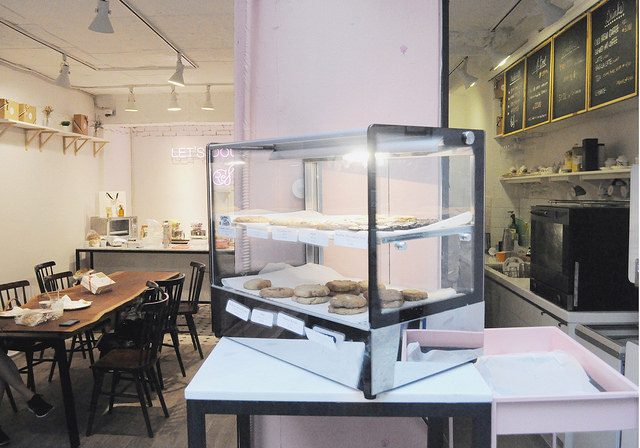
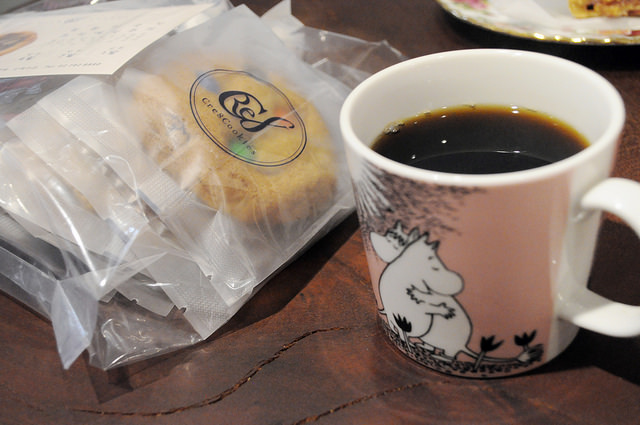
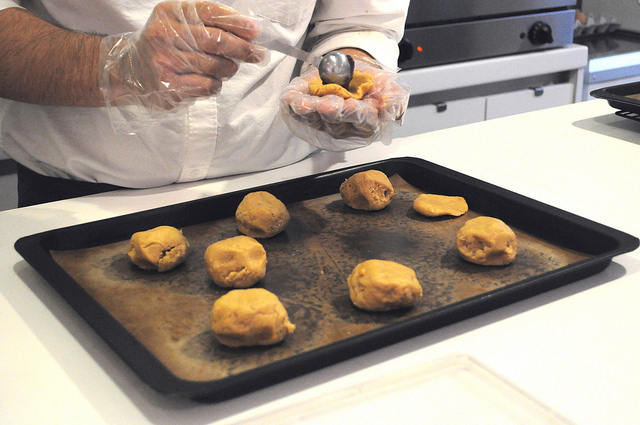
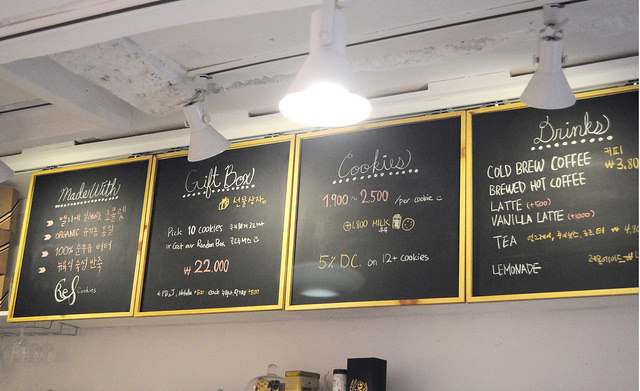
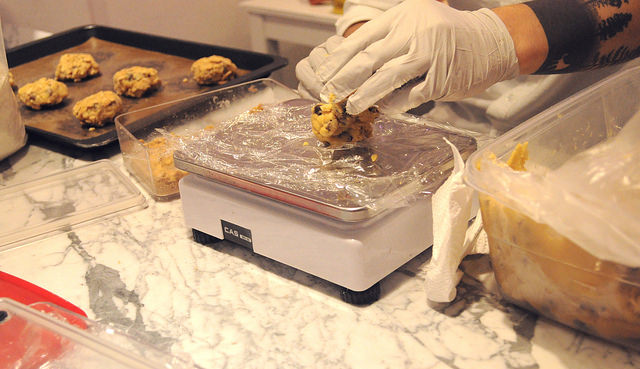
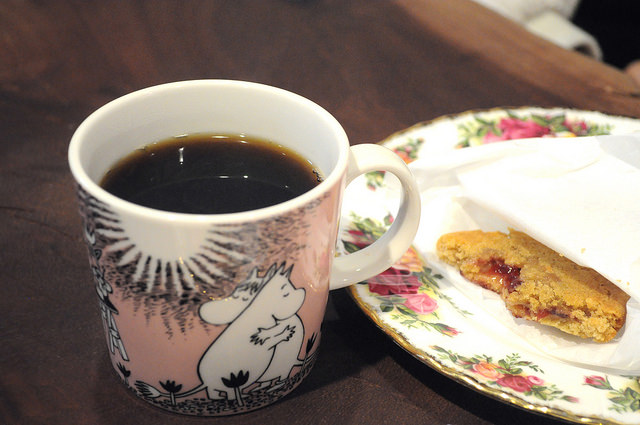
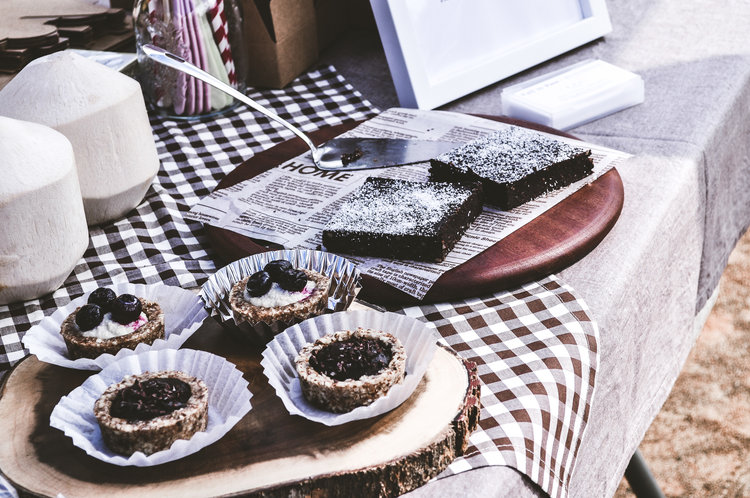
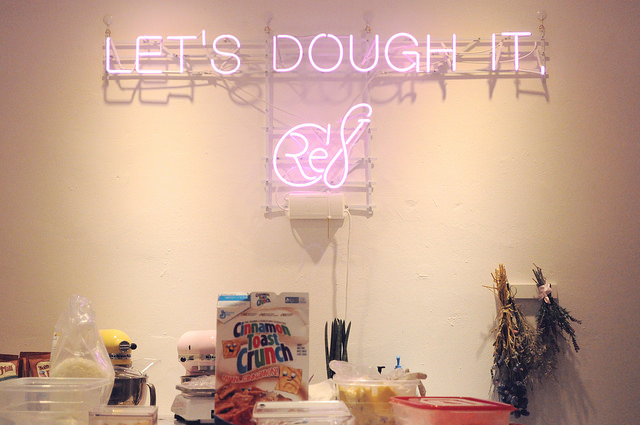
Tucked into a nook off Kyunglidan, Cre8 Cookies combines a homely, yet modern atmosphere with the nostalgia of childhood memories. Cre8 just started this year and is already quickly growing their fan base. The menu may be small, but it is a constant mix up of taste and seasonal goodies. Priced around 1,900~3,000 KRW, you’ll find it is incredibly too easy to gorge on these freshly baked treats. From 12 PM – 10 PM, seven days a week, your mind will drift as you munch on these warm, gooey reminders of better days—After dunking them in milk, of course.

Even better? Cre8 Cookies delivers. Go take a look (and a bite).
http://www.facebook.com/cre8cookies

경리단길에 위치한 크리에잇쿠키는 현대적인 분위기지만 집 같은 편안함을 제공하며 어린 시절의 기억을 떠올리게 한다. 크리에잇은 올해 오픈 했지만 벌써 많은 수의 지지층을 확보하고 있다.  메뉴의 종류가 아직 많지는 않지만 훌륭한 맛과 각 시즌에 맞는 다양한 쿠키를 제공한다. 1,900원~3,000원으로 갓 구운 신선한 쿠키를 즐길 수 있다. 오후 12시부터 오후 10시까지 매일 열려 있는 크리에잇 쿠키에서 여러분들은 따뜻하고  부드러운 쿠키를 즐길 수 있을 것 이다. 물론 우유와 함께 말이죠. 

크리에잇쿠키는 배달 서비스도 제공한다. 더 자세한 사항은:
http://www.facebook.com/cre8cookies 를 확인 하게 바란다.

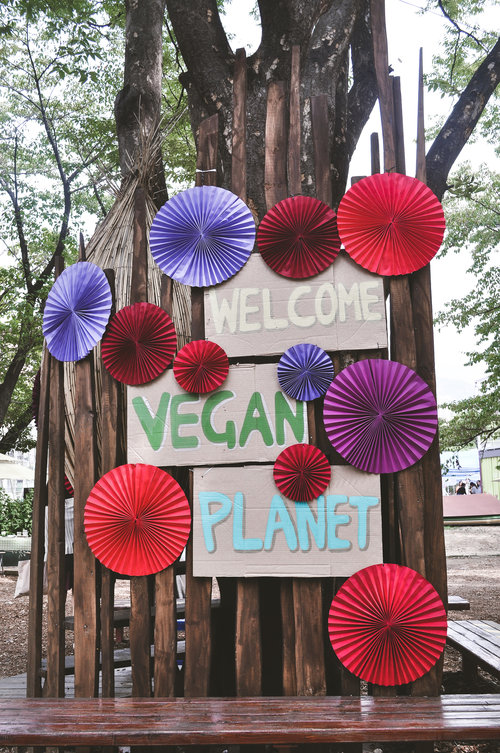
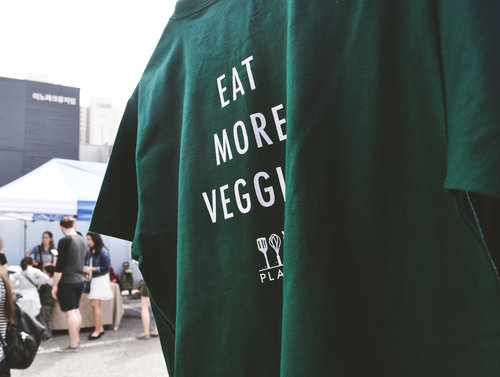
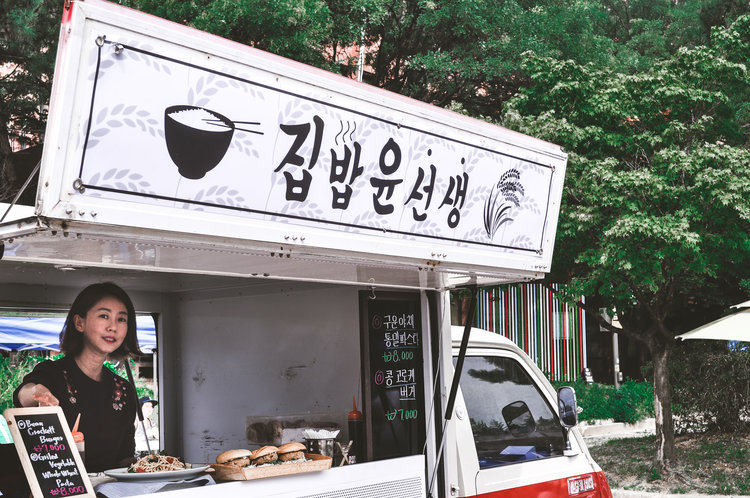
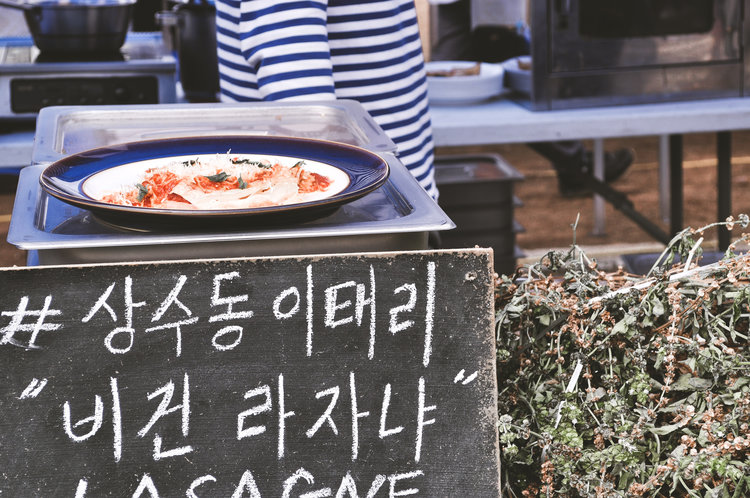
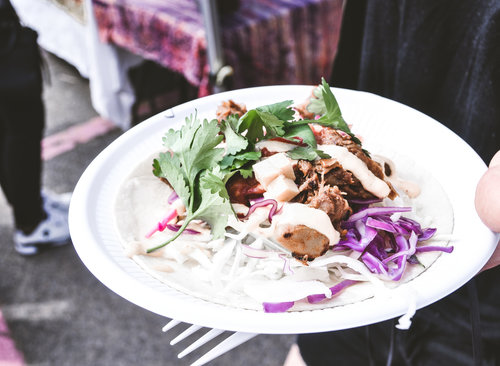
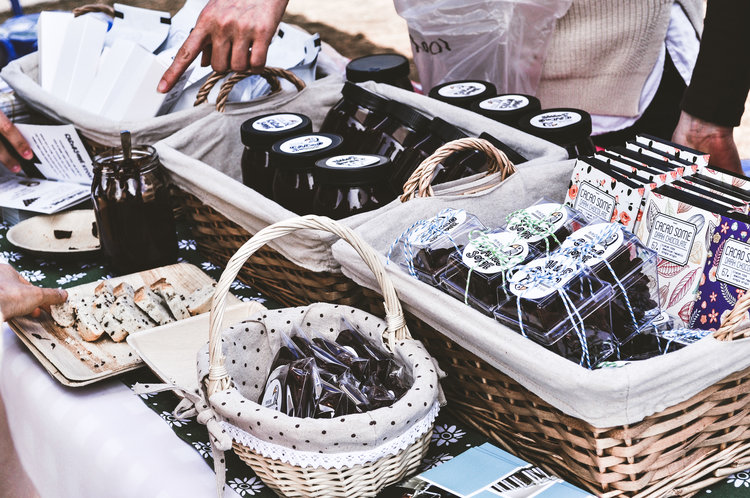
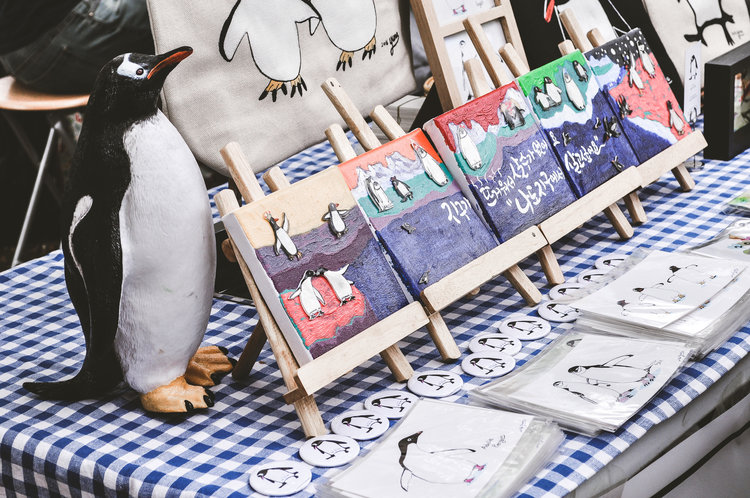
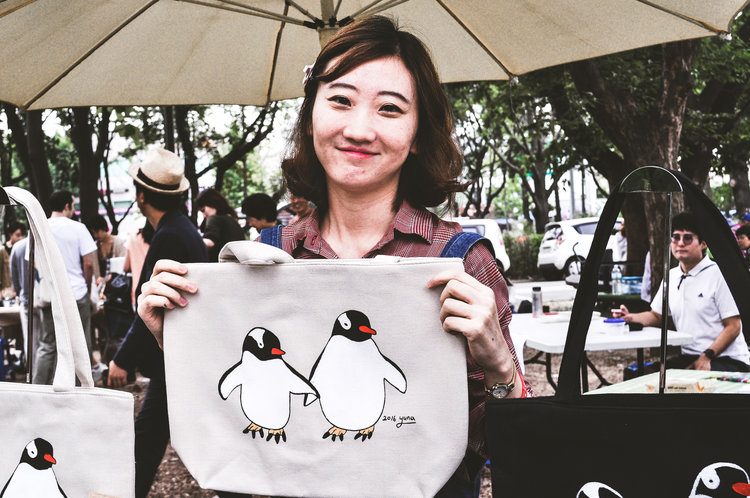
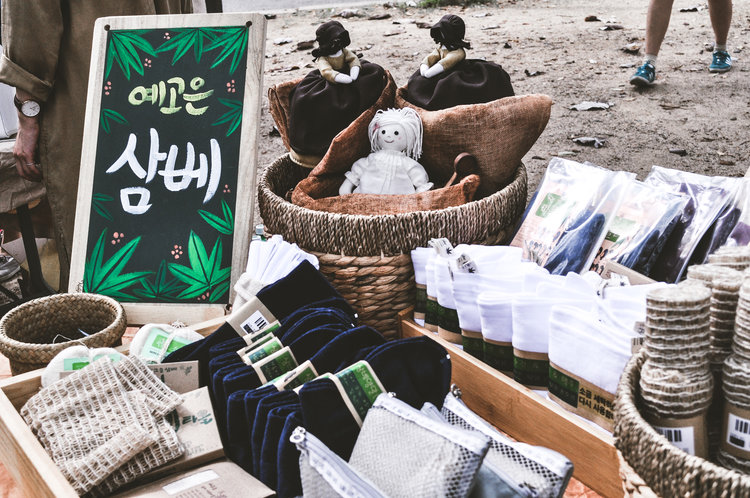
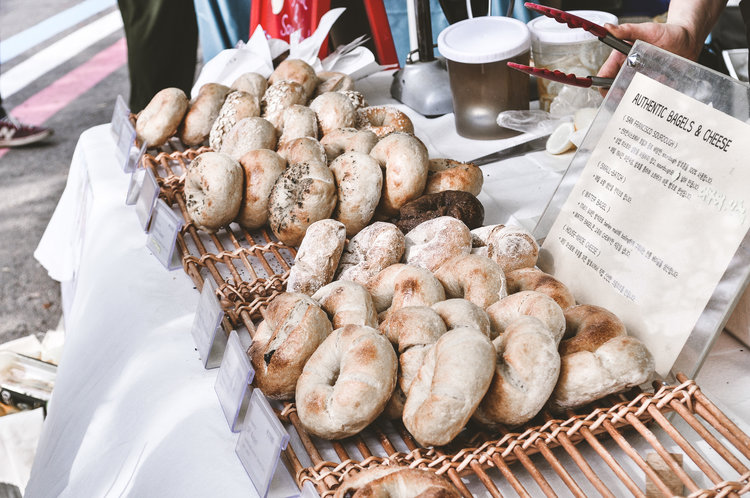
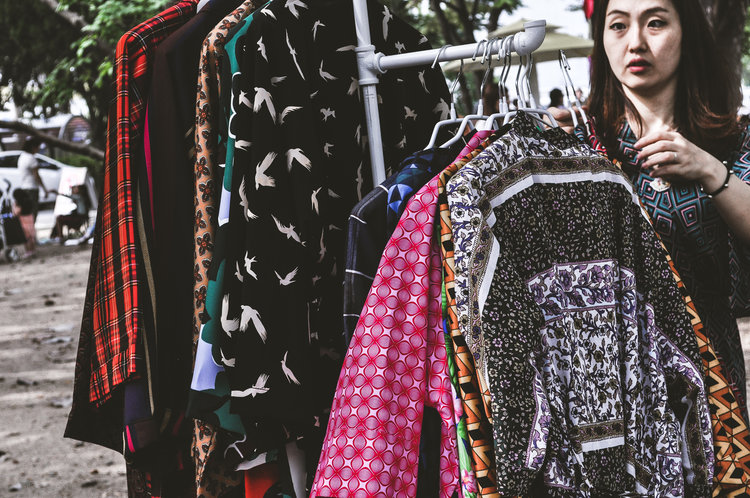
The Vegan Festival, held on Oct. 1, was a sneak peek into the world of veganism in Korea. With over 40 vendors participating from all over the country, festival-goers could eat to their hearts content while checking out the cruelty-free fashion and beauty items.

Many people know the basics of veganism: No eating meat or animal byproducts, and for some, only using cruelty-free or plant-based products. 

However, sometimes Korea can be not-so-friendly for vegans. For example, Korea’s well-known vegetable, kimchi, is often made with a fermented seafood products for flavor. Stews are also often made with meat or fish broth.

Fortunately, in the past year there has been an increase in vegan restaurants and products popping up all over Korea, primarily in more foreigner-friendly areas, as the cozy vegan community steadily grows.

Even if going vegan isn’t for you, check out the vendors below if you’re looking to switch things up.

10월 1일에 진행했던 비건 페스티벌은 한국에 있는 비건 커뮤니티를 모습을 살짝 보여주었다.  전국에서 판매자들이 참석하여 페스티벌을 방문한 사람들이 충분히 비건 음식을 즐길 수 있었으며 비동물성 패션과 뷰티 상품을 경험 할 수 있었다.

많은 사람들이 비건의 기본 개념을 알고 있다. 고기 및 축산물을 먹지 않고 어떤 사람들에게는 비동물성이나 식물 기반 상품을 쓰지 않은 것이 비건의 기본이라고 생각한다

그렇지만 한국은 비건 라이프스타일을 살기에는 그리 편리하지 않다. 예를 들어, 김치는 한국에 가장 유명한 반찬이지만 맛을 위해 젓갈이 들어간다. 찌개도 육수로 만들어서 비건 사람들이 먹을 수 없는 식품이다.

 다행히, 지난 해 부터 주로 외국인들이 많은 지역에 비건 음식과 비건 상품을 파는  가게 수가 증가했다. 한국의 비건 커뮤니티는 점점  커질 것이라고 생각한다. 

맛있는 음식이 먹고 싶거나 친환경적인 상품에 관심을 가지고 있는 사람 누구나 비건 판매처를 방문해 볼 가치가 있다고 생각한다.

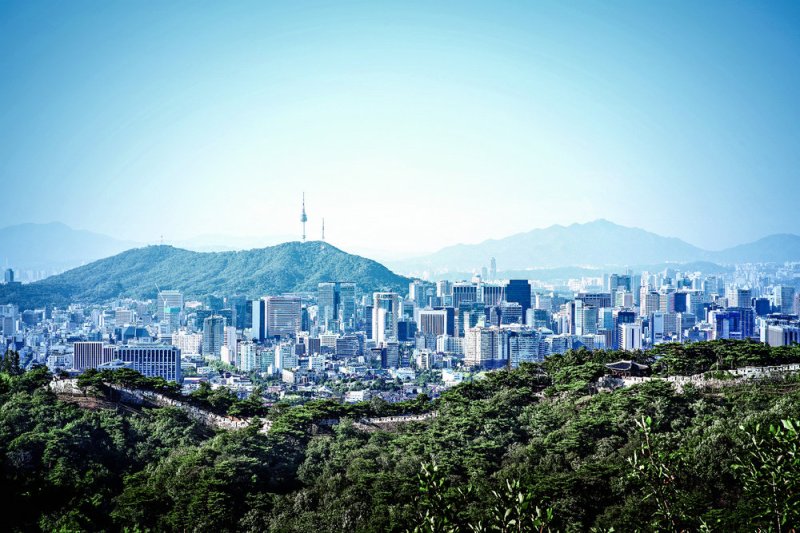
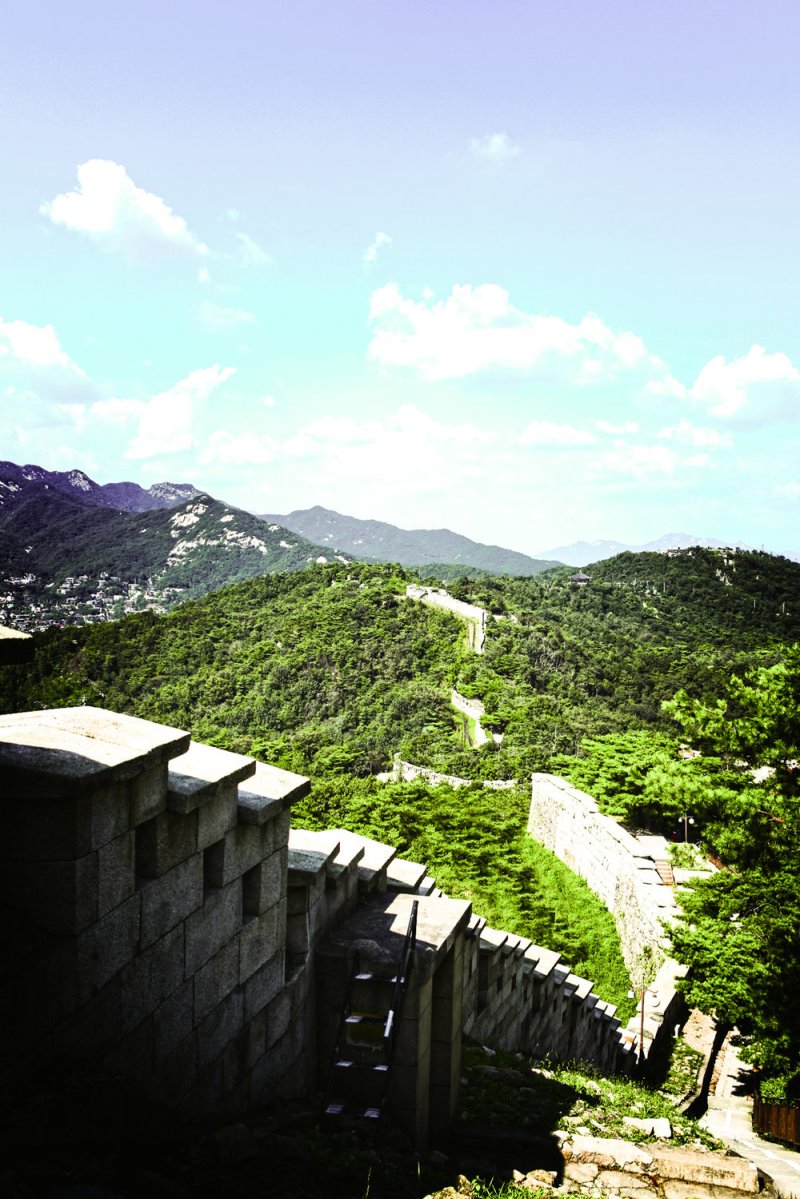
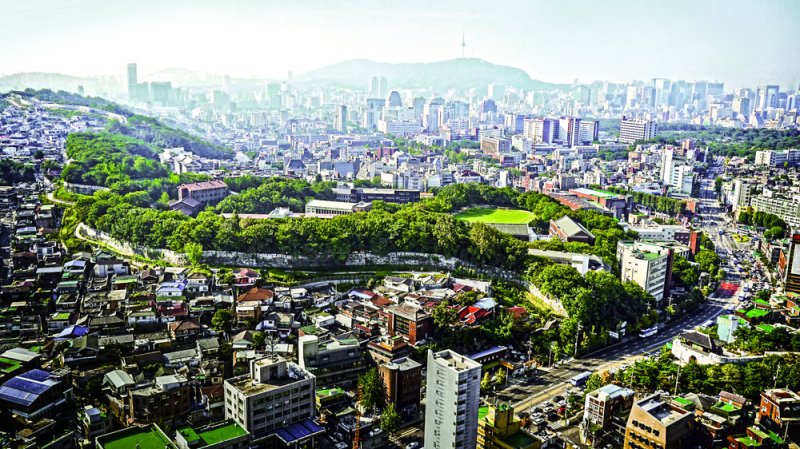
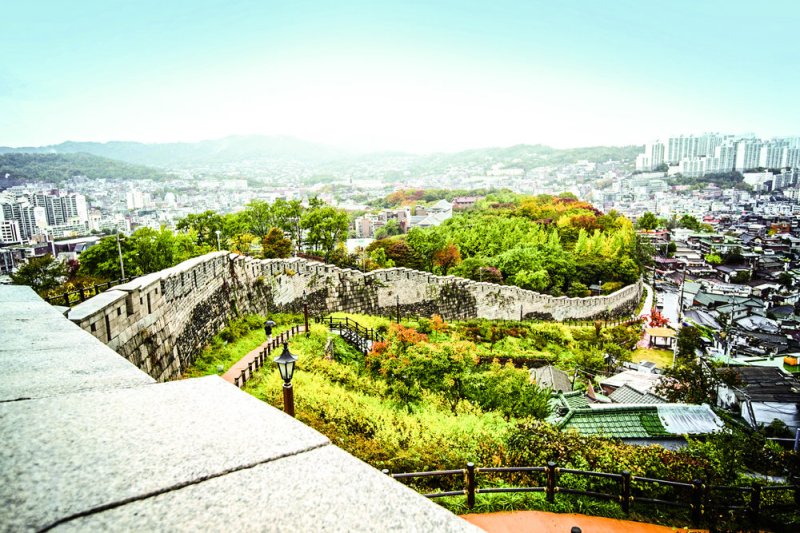
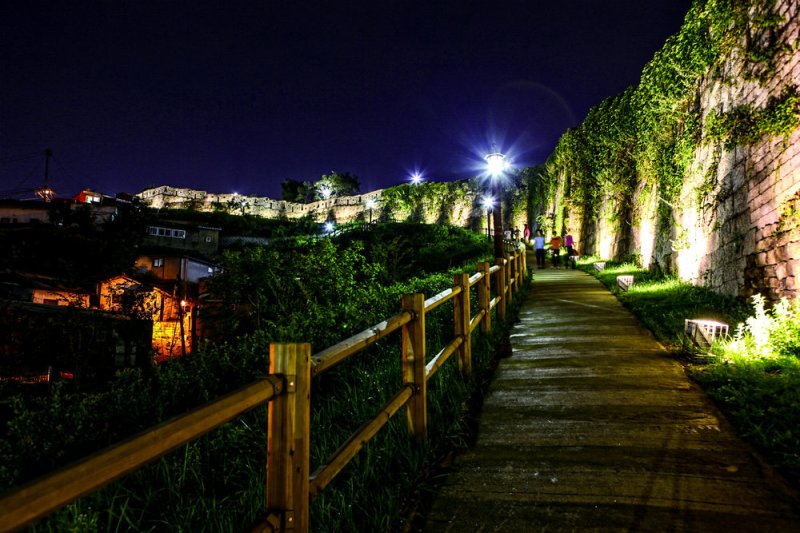
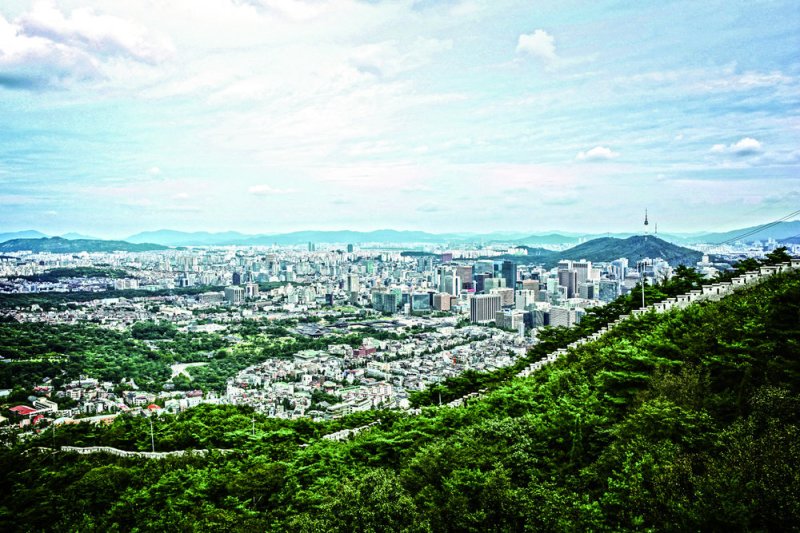
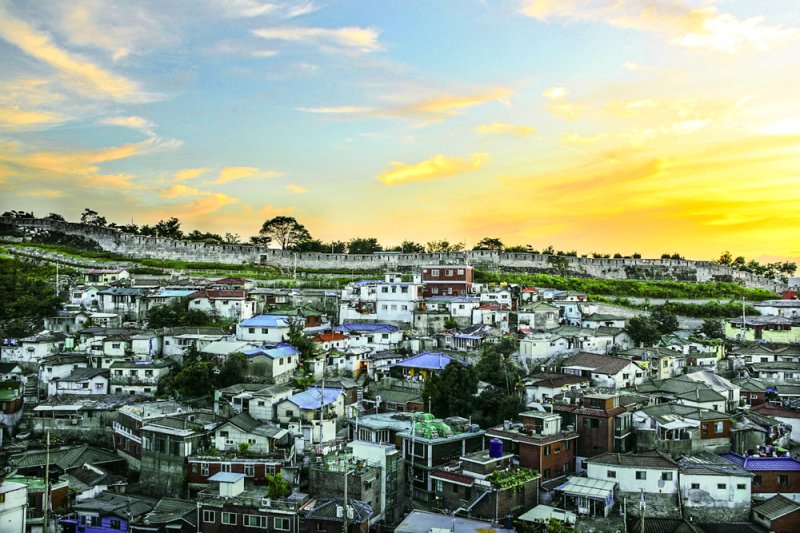
Built in 1396 to protect the city of Hanyang during the Joseon Dynasty, the majority of Seoul City Wall has been preserved and maintained for over 600 years. It is the largest-scale wall in Korea and the perfect spot to capture the juxtaposition of nature and city, as it wraps around mountains and downtown areas of Seoul.

서울한양도성은 1396년에 조선의 한양을 지키도록 만들었던 구조물이다. 서울한양도성은 600년 동안 보조된 것이며 대한민국에는 가장 큰 구조물인데 자연과 도시의 병치 이기 때문에 여기서 사진을 찍으면 인생 스냅샷을 남길수 있을것이다.


Seoul City Wall, or Hanyangdoseong (서울한양도성), stretches from Hanseong University Station – down past Dongdaemun to Namsan – up through Seodaemun Station – and around through Bugaksan. 

Photos: The Korea Food Foundation

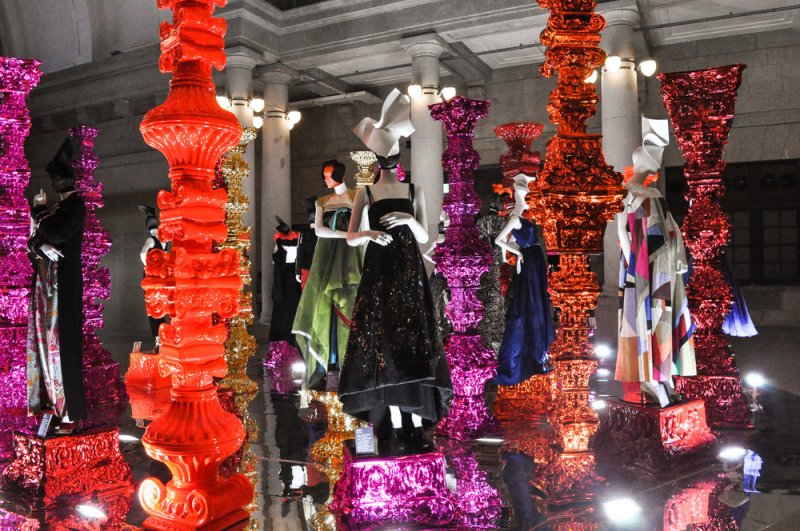
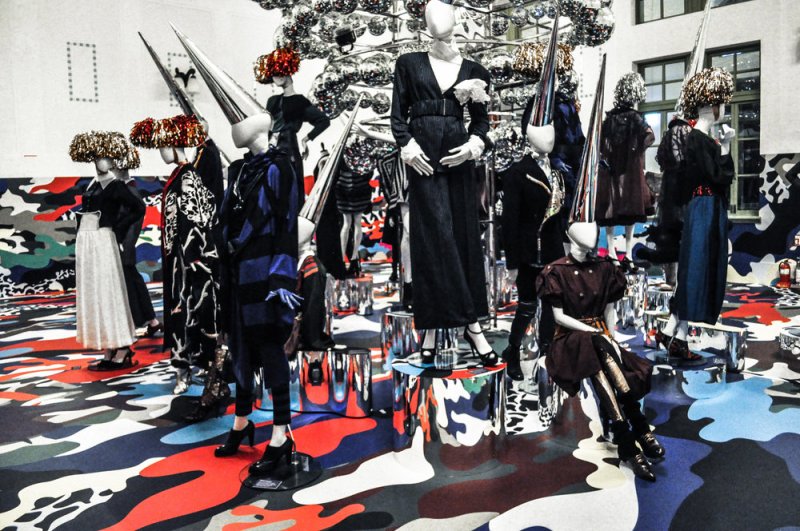
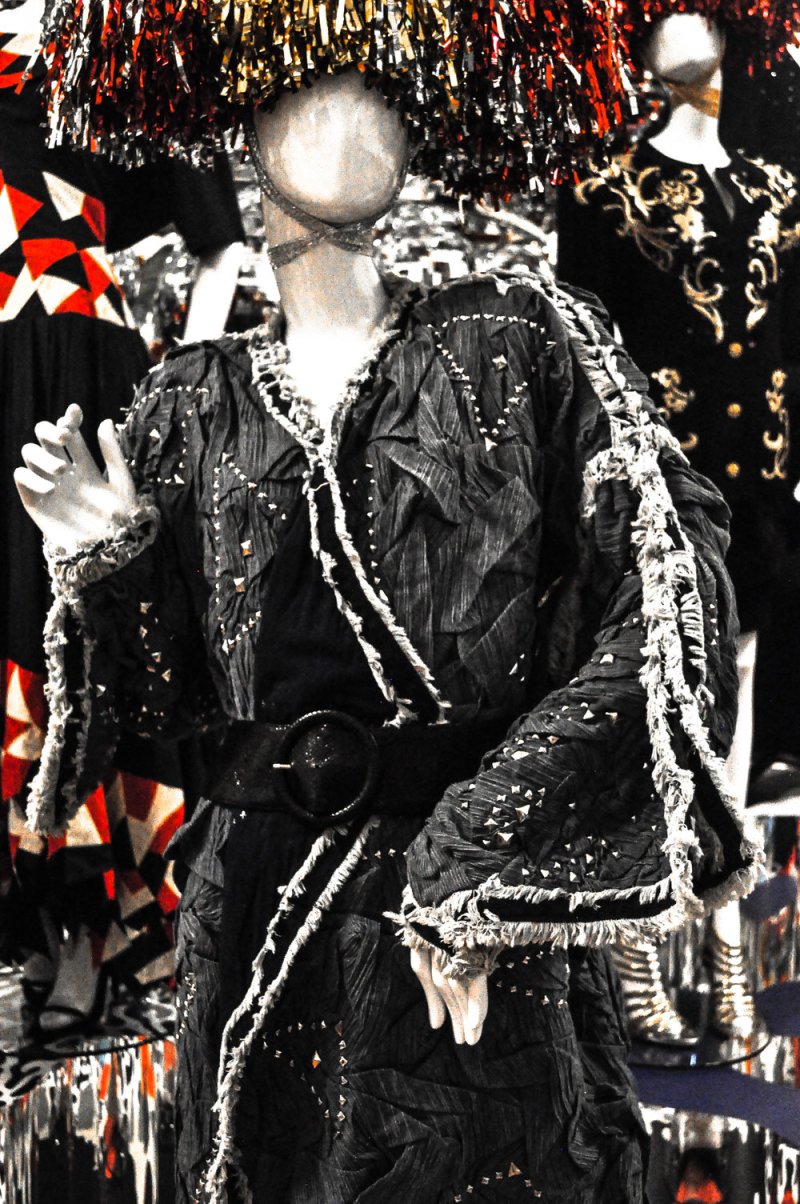
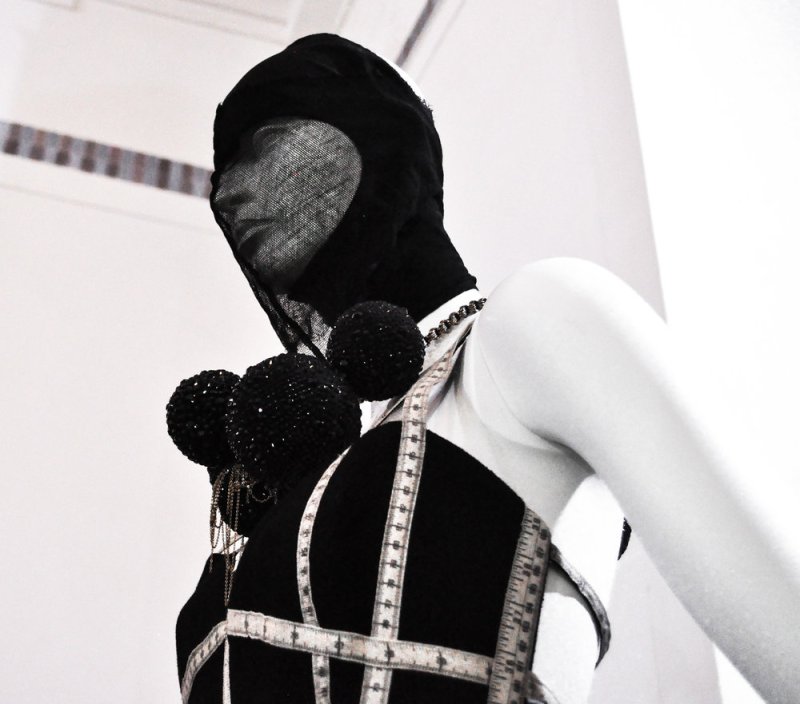
지난 100년간 대한민국에는 다양한 변화가 일어났다. 패션도 그중 하나다. 지난 9월 보고 코리아는 지난 100년간의 패션 트렌드 변화를 보여주는 전시회를 개최했다. 저희는 전시회 참가자들을 위해 제공되었던 정보를 아래와 같이 간략하게 정리해 보았다.

1900년 – 1945년 까지의 패션은 2층으로 이루어진 전시회 중, 한 공간에 전시 되었다. 이 시대의 패션은 서구 문화의 영향을 받았다. 일제 감정기 이후 패션은 사람들이 일상 생활로 다시 돌아갈 수 있도록 도움을 주었는데 길거리에는 한복과 저고리, 정장, 지팡이, 사냥 모자를 착요한 사람들이 있었으며 부유계층은 모피로 만들어진 숄과 작은 크기의 오페라 백을 착용했다.

지금은 다양한 외국 브랜드를 만나볼 수 있는 명동은 50년대와 60년대 한국 패션의 중심지다. 특히 이번 전시회에서는 노라 노 디자이너와 최경자 디자이너가 소개되었는데, 노라 노는 미국에서, 최경자는 일본에서 유학 하었다. 노라 노의 세련된 스타일과 최경자의 한국 전통 색을 강조한 기품 있는 디자인은 그들이 명동에 가게를 열었을 때 한국 패션 역사에 한 획을 그을 수 있도록 만들어 주었다.

예술은 각 시대의 시대상을 반영하다. 1970년대의 패션은 자유와 밀접한 연관을 가지고 있다. 박정희 대통령의 사회정책은 대중들이 보헤미안 스타일 추구하도록 했다. 나폴 거리는 긴 치마, 흙빛 색상, 그리고 대중화 대기 시작한 청바지는 사람들에게 ‘자유’라는 기분을 느낄 수 있도록 해주었다.

컬러 TV의 발전과 함께 1980년대의 패션에는 선명한 색상들이 등장하기 시작했다. 어깨패드, 디스코 바지, 그리고 허리를 강조한 옷등과 함께 한국의 경제는 급성장하기 시작했다. 80년대에는 이화여대 앞의 길거리가 가장 스타일리시한 장소였다.

보그 코리아 의하면 1990년대는 한국 디자이너들의 황금기라고 불리다. 정부의 새로운 무역 정책으로 인해 한국에는 많은 외국 브랜드가 유입되었으며 이와함께 패션 시장에는 새로운 트렌드가 소개되었다. 새롭게 등장한 다양하고 새로운 스타일들은 강남 일대 (압구정 로데오, 청담) 그리고 동대문 지역에서 흔히 볼 수 있었다. 이 시기에는 인기 연예인들의 스타일 또한 대중의 많은 관심을 받았다.

한류는 2000년대부터 지금까지 지속되고 있다. 한국의 패션은 글로벌화 됐으며 전세계 곳곳에서 쉽게 한국의 패션을 찾을 수 있다. 더 이상 패션에는 한계가 없다. 21세기의 패션에는 전통과 현대가 공존 하고 있으며 성별, 나이 그리고 계절의 경계가 사라졌다.

아래의 내용을 보면 역사를 볼 수 있다:

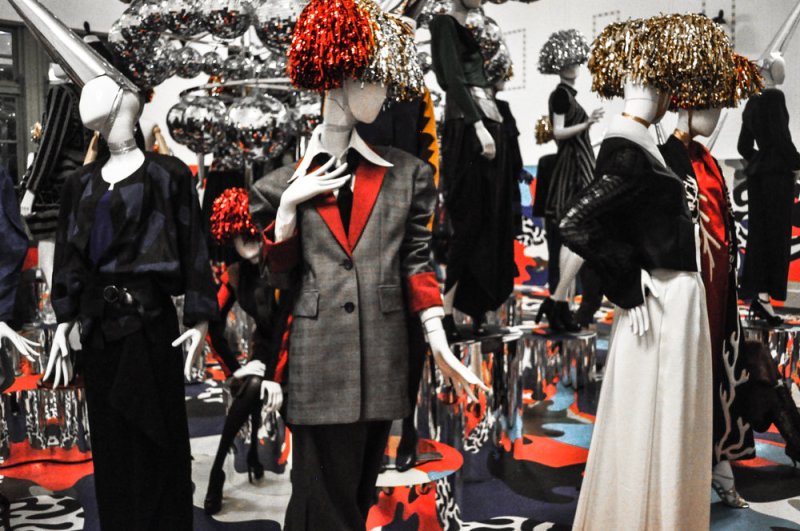
Many facets of Korea have changed in the last hundred years; fashion is just one of many. During the month of September, Vogue Korea held an exhibition displaying different trends occurring throughout the past century. Here we briefly go through the main points.

Combining the period of 1900-1945 in a single room, the trends had the mark of Western influence. After Japanese occupation, fashion was a small way to regain control in daily life. The streets were mixed with more traditional hanbok with long jeogeori (jackets), suits and canes, and hunting caps, and for the wealthy, fur stoles and small opera bags. 

Myeongdong, today known for the availability of foreign brands, was the center of Korean fashion in the 50s and 60s. The exhibition featured designers Nora Noh and Kyungja Choi in particular, who had studied abroad in the United States and Japan, respectively. Noh’s sophisticated style and Choi’s traditional Korean colors with elegant lines cemented their place in Korean fashion history when they opened their own boutiques.

As the saying goes, art is a reflection of the world, and the 1970s associated fashion with freedom. President Chunghee Park’s social policies in regards to public morals helped the decade’s bohemian style take hold–Long, flowing skirts, earthy colors, and the newly mass-produced blue jeans both lifted spirits and gave people a taste of the freedom they desired.

With the rise of color TV, the 1980s took bold colors to heart. Along with trends like shoulder pads, disco pants, and emphasizing the waist, the Korean economy was starting to boom. The street in front of Ewha Women’s University was the most stylish at the time.

The 1990s is considered to be the “Golden Age of Korean Designers,” according to Vogue.  The government’s new policies in regards to imports opened Korea to foreign brands, allowing new trends to enter the market. With the explosion of diversity in style, these new styles could be found in Gangnam (Apgujeong Rodeo and Cheongdam) and Dongdaemun. Popular celebrities’ styles also started to peak the interest of Korean society.

The Hallyu, or Korean wave, took hold in the 2000s and is still relevant today. Korean fashion is globalized and seen in all corners of the globe. There is no holding back and this decade plays with a contrast of traditional and modern influences and downplaying gender, age, and season. 

Take a look through history below:
 

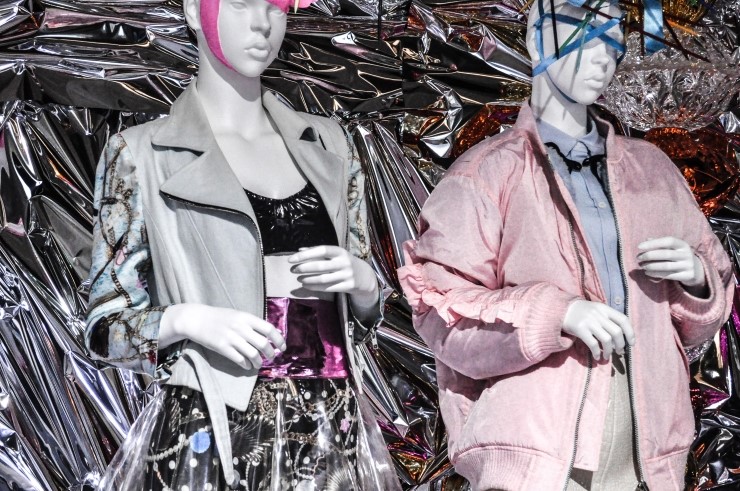
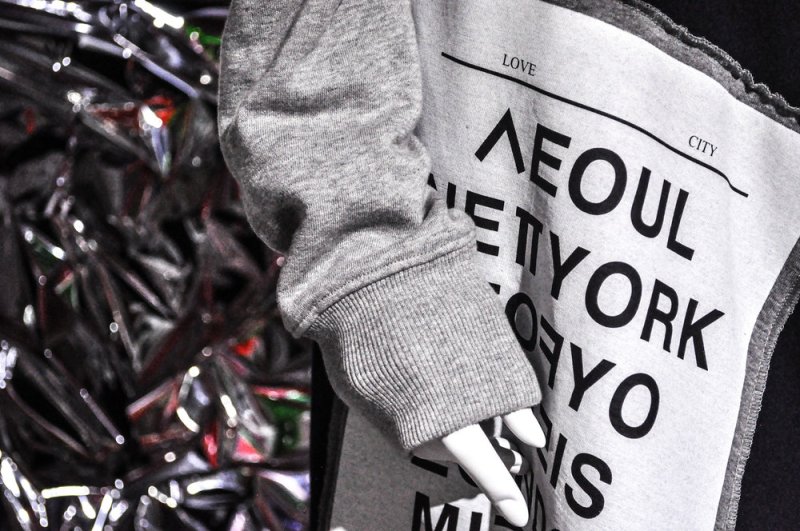
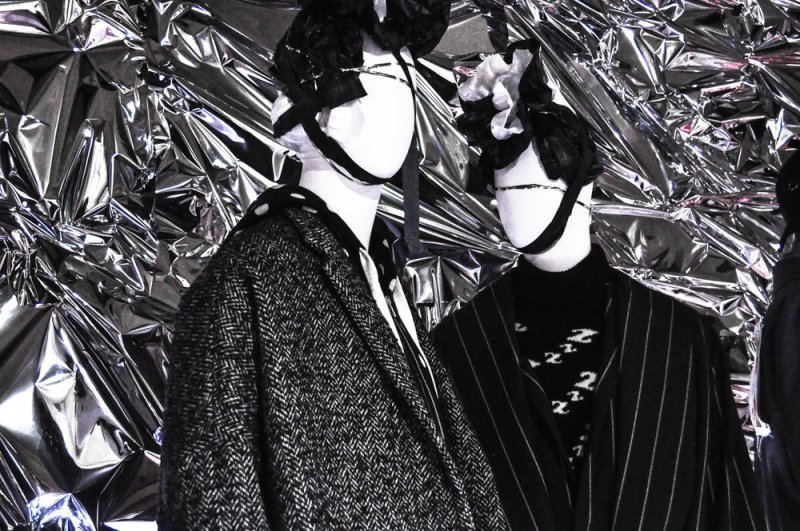
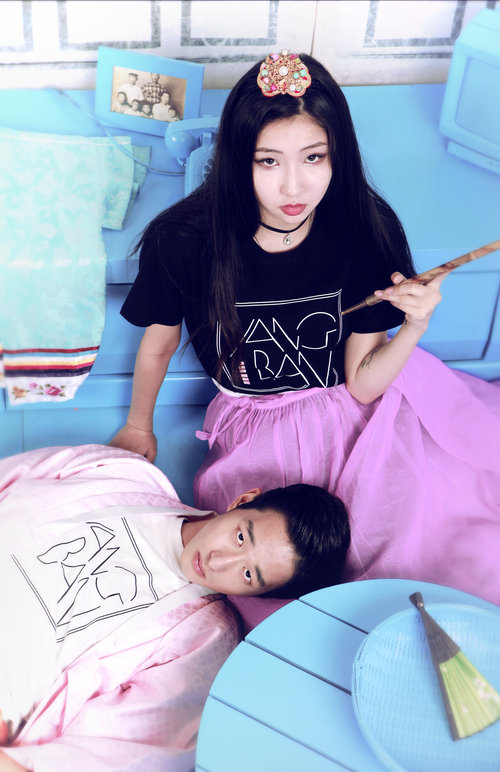
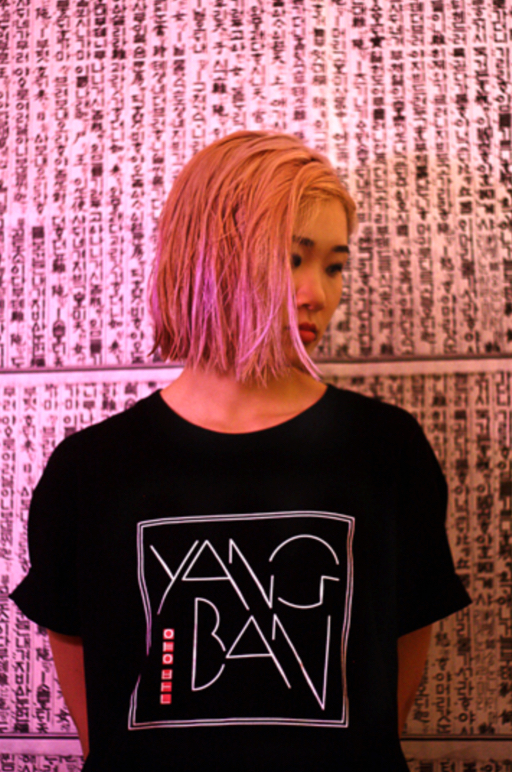
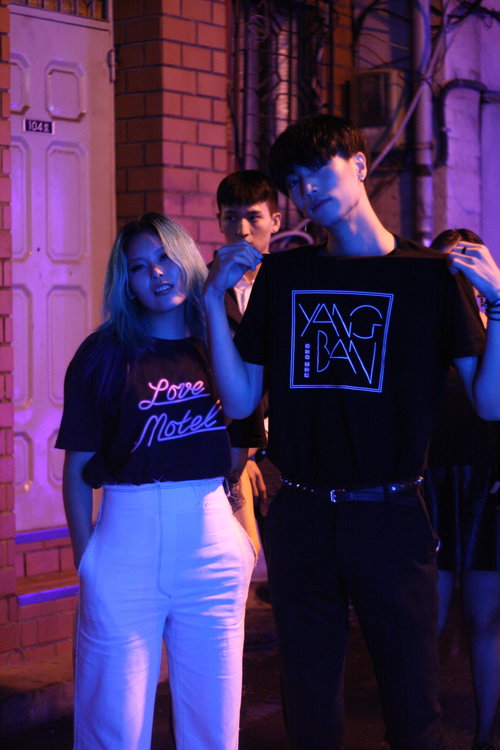
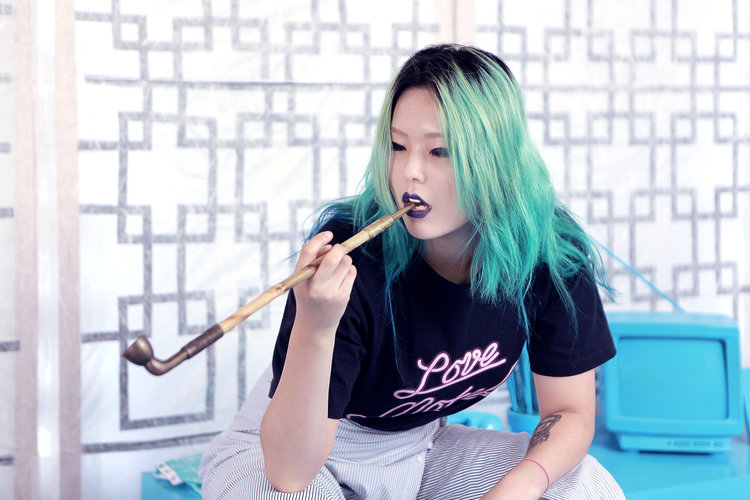
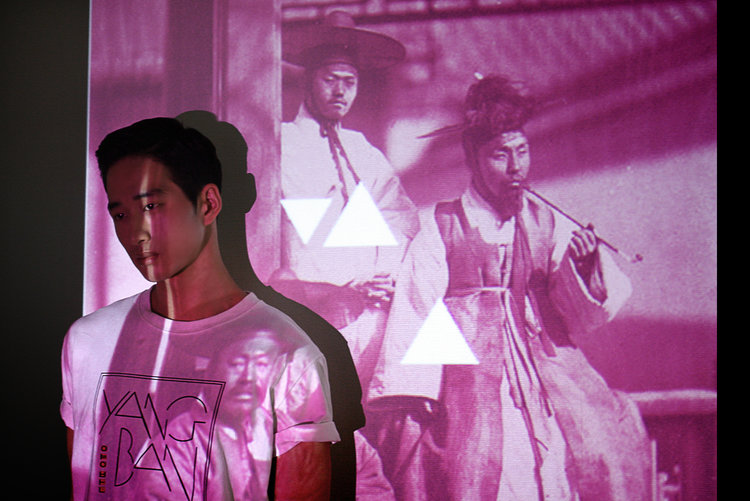
With its dynamic history beginning thousands of years ago, Korea has managed to preserve pieces of its past along the way. Yangban, a European-Korean brand that fuses aspects of Korean history with a modern street-wear aesthetic, proudly states that one of its goals is to connect past and present. Their t-shirts provoke critical thought into Korean life; however, Yangban is not limited to street-wear. Yangban is also a community that looks at the juxtaposition of art and culture in daily life, soon to be seen in its “Yangban Sessions”. Unabashedly uncommon and unconventional, Yangban is an artsy approach to inspirational irony.

Be part of the club: http://www.yangban.club or shop their street-wear: http://www.yangbanshop.com
천 년이 넘는 다이나믹한 역사를 자랑하는 한국은 다양한 역사를 간직하며 발전해왔다. 양반은 유럽-한국 브랜드로 한국의 역사와 현대의 길거리 패션의 특징을 결합하여 과거와 현재를 잇고자 하는 목표를 훌륭하게 달성하고 있다. 양반은 또한 일상 생활의 예술과 문화를 상반되게 잘 보여주는 ‘양반 세션’ 이라는 비디오를 공개할 예정이다. 양반은 단순한 브랜드를 넘어 한 커뮤니티로 자리 잡고있다. ‘독특하고 평범하지 않은 것을 두려워하지 말라’라는 정신을 강조하는 양반의 정신은 예술적이며 사람들에게 많은 영감을 준다.

커뮤니티 궁금한 사람 위해: http://www.yangban.club, 옷을 사고 싶은 사람 위해: http://www.yangbanshop.com